Source Farm Irrigation Diesel Tricycle for Cargo, Passenger, and Orchard Use
Find reliable farm irrigation diesel tricycle options for cargo, passenger, and orchard transport. Compare 30 models with varying horsepower, tire sizes, and hydraulic dumping systems to match your agricultural needs; compare the available evidence and request quotations based on your requirements.
Key considerations
Products List





Comprehensive Sourcing Guide
Farm Irrigation Diesel Tricycle Sourcing Guide
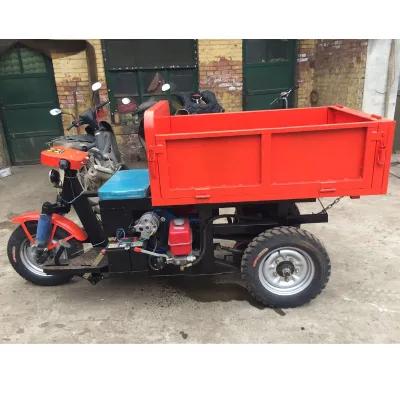
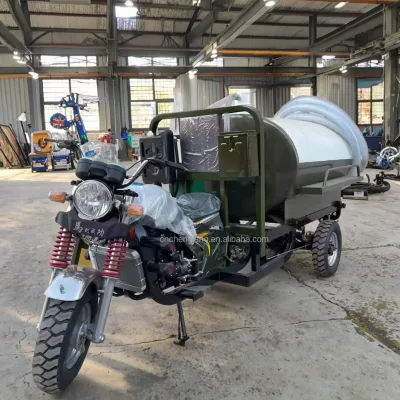
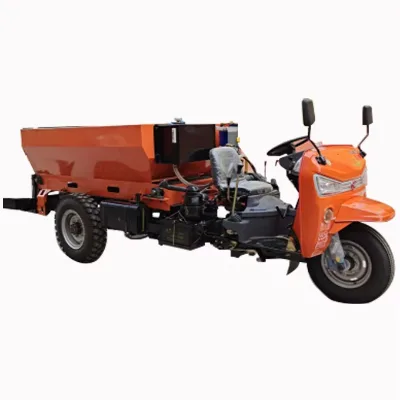
Procuring a diesel-powered three-wheeler for farm irrigation requires distinguishing between cargo-focused utility models and specialized passenger variants. The observed market data indicates a diverse range of configurations, including open-body types for heavy hauling and closed-body options for operator protection. Buyers must verify whether the specific unit supports the dual usage of cargo and passenger transport, as this directly impacts the structural integrity and safety features required for your specific agricultural operations.
The powertrain selection is critical, with available engines ranging from 18 to 35 horsepower and displacements exceeding 250cc for heavy-duty tasks. While some listings mention electric options with 48V systems, the core keyword focuses on diesel propulsion, which offers superior torque for climbing slopes up to 45 degrees. Sourcing teams should prioritize units with single-cylinder diesel engines that provide strong climbing capabilities, ensuring the vehicle can navigate uneven terrain common in orchards and rural cargo transport routes without stalling.
Product Scope and Observed Listing Signals
Market listings reveal a significant variance in physical dimensions, with standard export packaging often accommodating units measuring approximately 4000mm in length and 1450mm in width. However, alternative configurations exist with dimensions around 3.85 meters by 1.50 meters, necessitating careful verification of the chassis size against your farm's storage and transport constraints. Buyers should scrutinize the listed standard dimensions to ensure compatibility with existing farm infrastructure, such as narrow gateways or specific loading bay requirements.
Pricing signals in the current market span from 700 to 12,000 USD, reflecting differences in engine capacity, body type, and customization levels. The minimum order quantity varies between one and twenty units, allowing for both single-unit trials and bulk procurement strategies. It is essential to correlate the observed price range with the specific horsepower and load rating, as higher-rated models capable of carrying 2-3 tons will naturally command a premium over lighter utility versions designed for smaller payloads.
Technical Specifications to Verify
Engine performance and transmission systems are primary verification points, with gearboxes offering six forward and one reverse speed settings. The transmission mode typically combines four main belts with gear mechanical steering, a configuration that demands precise adjustment for optimal power delivery. Buyers must confirm the specific horsepower rating, as options range from 18 to 35 HP, and ensure the selected model matches the intended load requirements for irrigation equipment and water tanks.
Chassis and suspension components require detailed inspection, particularly the leaf spring configuration which is observed to consist of 15 pieces with a 6cm width. The wheel distance varies between 1040mm and over 1110mm, directly influencing stability and turning radius on narrow farm paths. Additionally, the tire specifications, such as 5.00-14 for the front and 7.00-16 for the rear, must be validated to ensure adequate traction in muddy or wet conditions typical of irrigation schedules.
Compliance and Safety Documentation
Regulatory compliance is a critical factor, with certifications such as CCC and ISO 9001 frequently cited in product documentation. However, buyers must verify that the specific unit carries the CE mark if exporting to European markets, as some listings indicate a mix of certifications including CCC and CE. It is imperative to request the actual certification documents for the specific model number, such as the 7YP or TWT-1, to confirm that the vehicle meets the safety standards of the destination country.
Safety features like hydraulic brakes and dumping systems with three-stage hydraulic cylinders are standard but require functional testing. The braking system must be robust enough to handle the rated load of 2-3 tons, especially when descending slopes with a maximum climbing capacity of 45 degrees. Procurement teams should demand a detailed safety manual that outlines the maintenance schedule for the hydraulic brake assembly and the leaf spring suspension to ensure long-term operational safety.
Cost Drivers and Commercial Terms
The total cost of ownership is heavily influenced by the customization options available, such as the battery capacity which can be customized to 100A or other specifications. While the base price is a primary consideration, the cost of optional upgrades like the single shock absorber or the 7-speed full floating Shifeng axle can significantly alter the final invoice. Buyers should negotiate a clear breakdown of these customization costs to avoid unexpected expenses during the finalization of the purchase order.
Packaging and logistics represent another variable cost driver, with options ranging from standard export packaging to spraying bare packaging or bulk packing. The origin of the goods, whether from Shandong or Hebei in China, may affect shipping rates and lead times, though specific lead times are not universally standardized in the provided data. Sourcing agents must clarify the Incoterms and ensure that the shipping method, whether separate packages or bulk, aligns with the receiving facility's capacity to handle the cargo efficiently.
Supplier Qualification and Quality Control
Supplier qualification should focus on the manufacturer's ability to provide consistent quality across different models, such as the diesel tricycle and the three-wheel farm tricycle variants. The presence of supporting spare parts like clutch discs, pulleys, and brake assemblies in the supply chain indicates a mature manufacturing ecosystem. Buyers should verify that the supplier maintains a reliable inventory of these critical components to minimize downtime during the operational lifecycle of the vehicle.
Quality control processes must be validated through on-site audits or third-party inspection reports, particularly for the welding quality of the open or closed body types. The production standards, which may vary between 850kg weight limits and specific dimensional tolerances, require strict adherence to ensure the vehicle performs as advertised. Establishing a clear quality assurance protocol that includes pre-shipment inspections of the gearbox, engine displacement, and tire mounting is essential for mitigating the risk of receiving substandard units.
Long-Term Procurement Checks
Sustainability of the supply chain depends on the availability of long-term support for the specific power system, which is typically a single-cylinder diesel engine. Buyers should confirm the supplier's commitment to providing technical support and spare parts for at least five years, given the rugged usage conditions of farm irrigation. The ability to source replacement parts like the 5.00-14 front tires and 7.00-16 rear tires locally or directly from the manufacturer is crucial for maintaining fleet uptime.
Performance monitoring over time is necessary to validate the initial specifications, such as the maximum speed of 60km/h or the 40km/h observed in other models. Regular checks on the hydraulic dumping system and the 15-piece leaf spring suspension will help identify wear patterns early. Procurement teams should establish a feedback loop with the supplier to report any deviations in performance, ensuring that the vehicle continues to meet the demanding requirements of agricultural cargo transport and irrigation tasks.
FAQs
What is the rated load capacity for these diesel tricycles?
The rated load capacity is 2-3 tons, making them suitable for heavy cargo and passenger transport. This specification ensures reliable performance for agricultural and rural logistics. Buyers should verify the exact tonnage for their specific model requirements before ordering to ensure compliance with local transport regulations.
Can the battery and shock absorbers be customized?
Yes, both the battery and shock absorbers are customizable. The standard battery is 100A, and the shock absorber is a single unit. Buyers can request specific configurations to suit their operational needs. This flexibility allows for tailored vehicle setups that enhance comfort and durability in varied terrain conditions.
What certifications are available for these agricultural tricycles?
Available certifications include CCC and ISO 9001, with some models also holding CE certification. These standards ensure quality and safety compliance for international markets. Buyers should confirm the specific certification required for their destination country to ensure smooth customs clearance and regulatory adherence upon delivery.
What is the maximum speed and climbing capacity?
The maximum speed is 60 km/h, and the climbing capacity is up to 45 degrees. This performance supports efficient transport on varied terrains. The 60 km/h speed is ideal for rural roads, while the steep climbing ability ensures reliability in hilly agricultural areas without compromising safety.
How is the vehicle packed for shipping?
Packaging options include standard export packaging, spraying bare packaging, and bulk packing. Some models are shipped in separate packages to prevent damage. Buyers should specify their preferred packaging method during ordering to ensure the tricycle arrives in optimal condition, minimizing the risk of transit-related wear or tear.
What tire sizes are used on these tricycles?
The front tire size is 5.00-14, and the rear tire is 7.00-16. These sizes provide stability and traction for cargo and passenger use. The specific tire dimensions are designed to handle the rated load of 2-3 tons effectively, ensuring safe operation on diverse road surfaces.